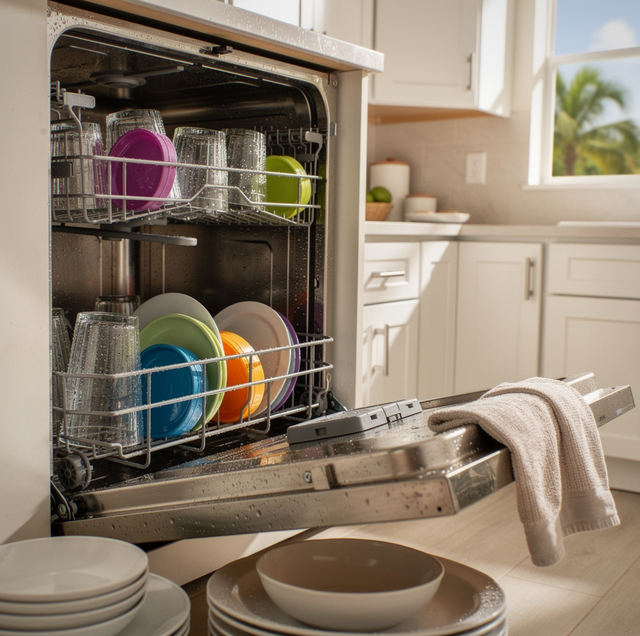
Look along your dishwasher's control panel for a heated dry button. If there is none, the machine has no drying element at all, and nothing on the racks warms after the final rinse.
Read More
Look along your dishwasher's control panel for a heated dry button. If there is none, the machine has no drying element at all, and nothing on the racks warms after the final rinse.
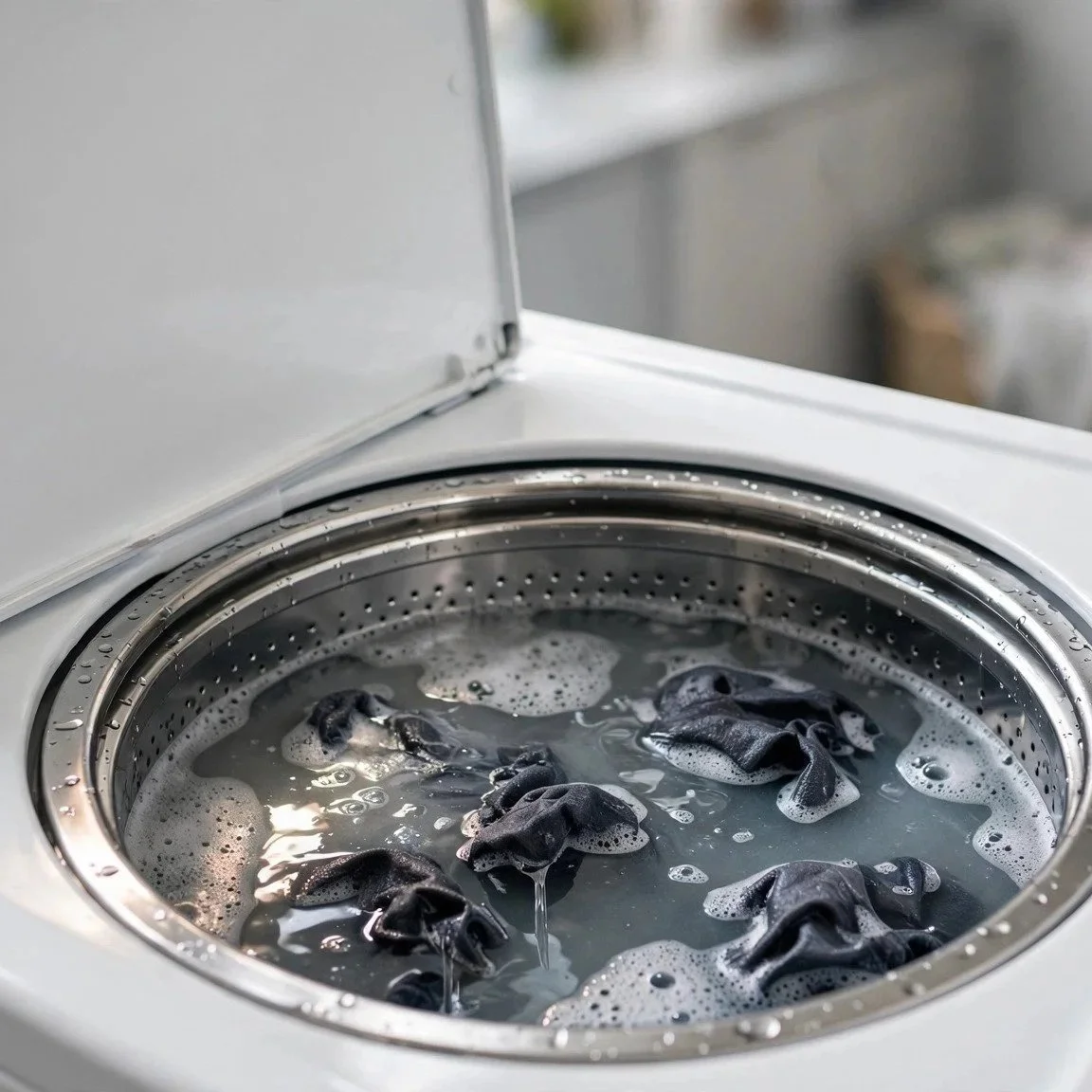
Read MoreYou pull open the washer door to load a towel and the smell hits before you even see inside: damp, sour, a little like a gym bag left zipped for a week. The clothes that just finished a cycle don't smell clean; they smell like the machine itself.
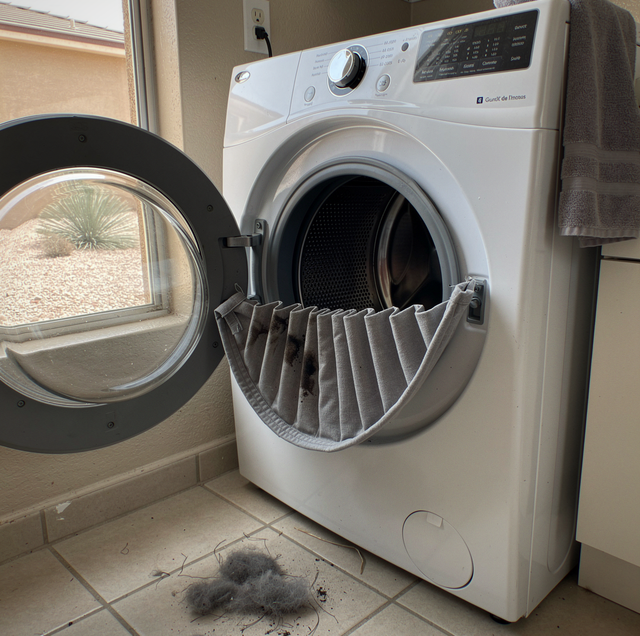
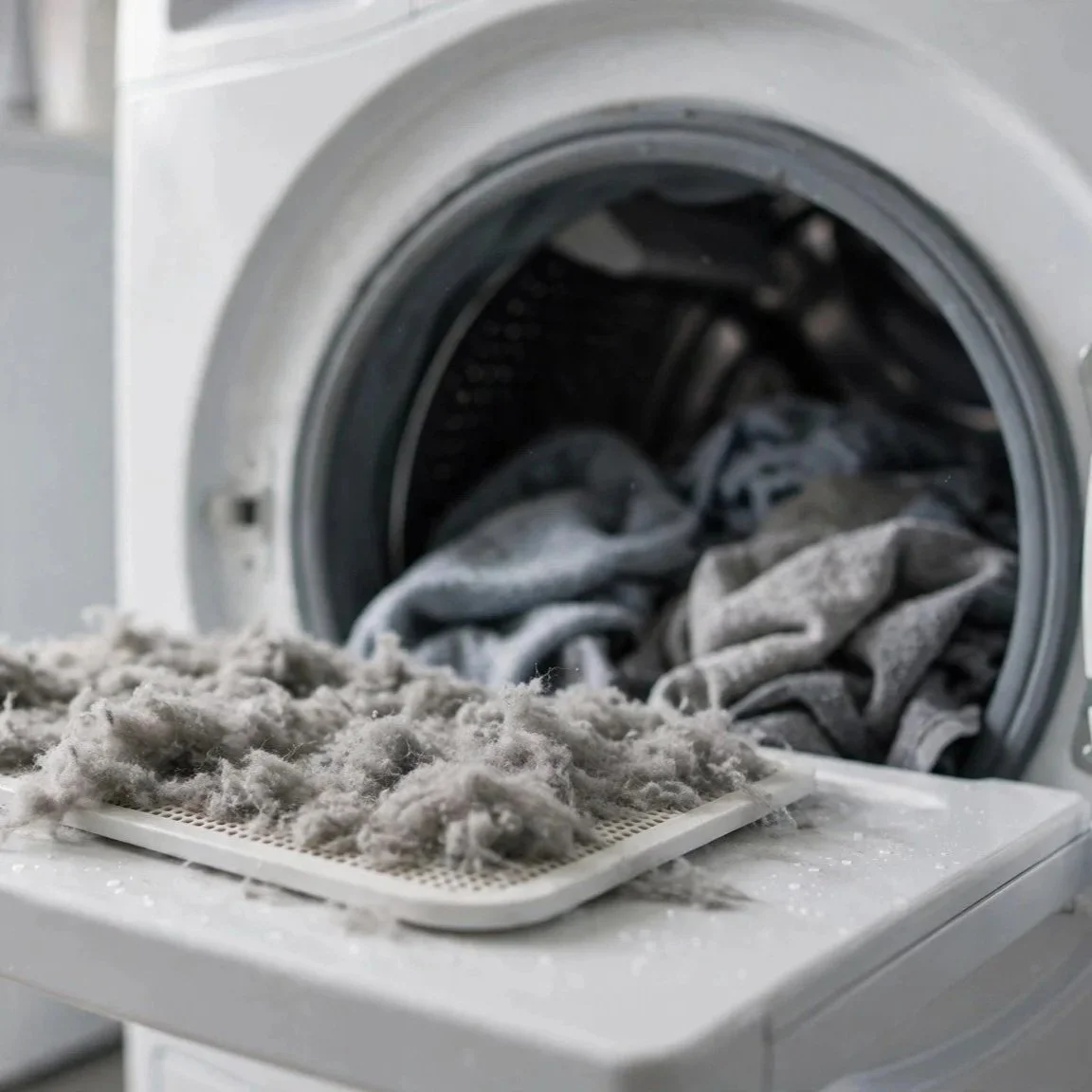
Read MoreYou start the dryer, wait for the buzzer, and pull out a load that is still damp at the seams. So you run it again. That second cycle used to be the exception; now it is just what drying a load takes, and you cannot remember exactly when that changed.
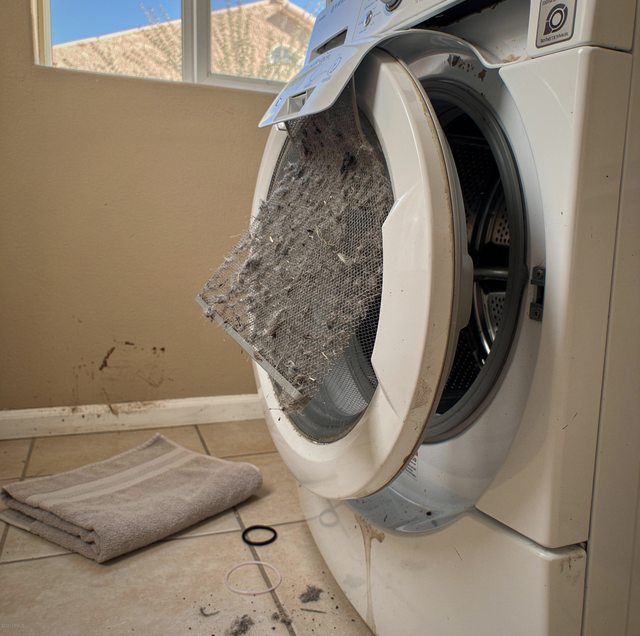
Read MoreYou open the dryer door mid-cycle because the smell finally pulled you across the room, and there it is: a warm, faintly acrid odor that has no business coming off a load of towels. Maybe it fades once the drum stops.
Read MoreA technician just finished explaining what broke this time, and you are standing in the laundry room running the same math a lot of homeowners run: is this worth fixing again, or is it time to shop for a new machine?
Read MoreA refrigerator at the ten-year mark sits in a real gray zone: not so old that repair is automatically pointless, not so new that replacement is obviously premature.
Read MoreYour washer follows a fixed order of operations. After the wash and rinse, it pumps the dirty water out through the drain pump and hose, and only then does it ramp the drum up to spin speed.
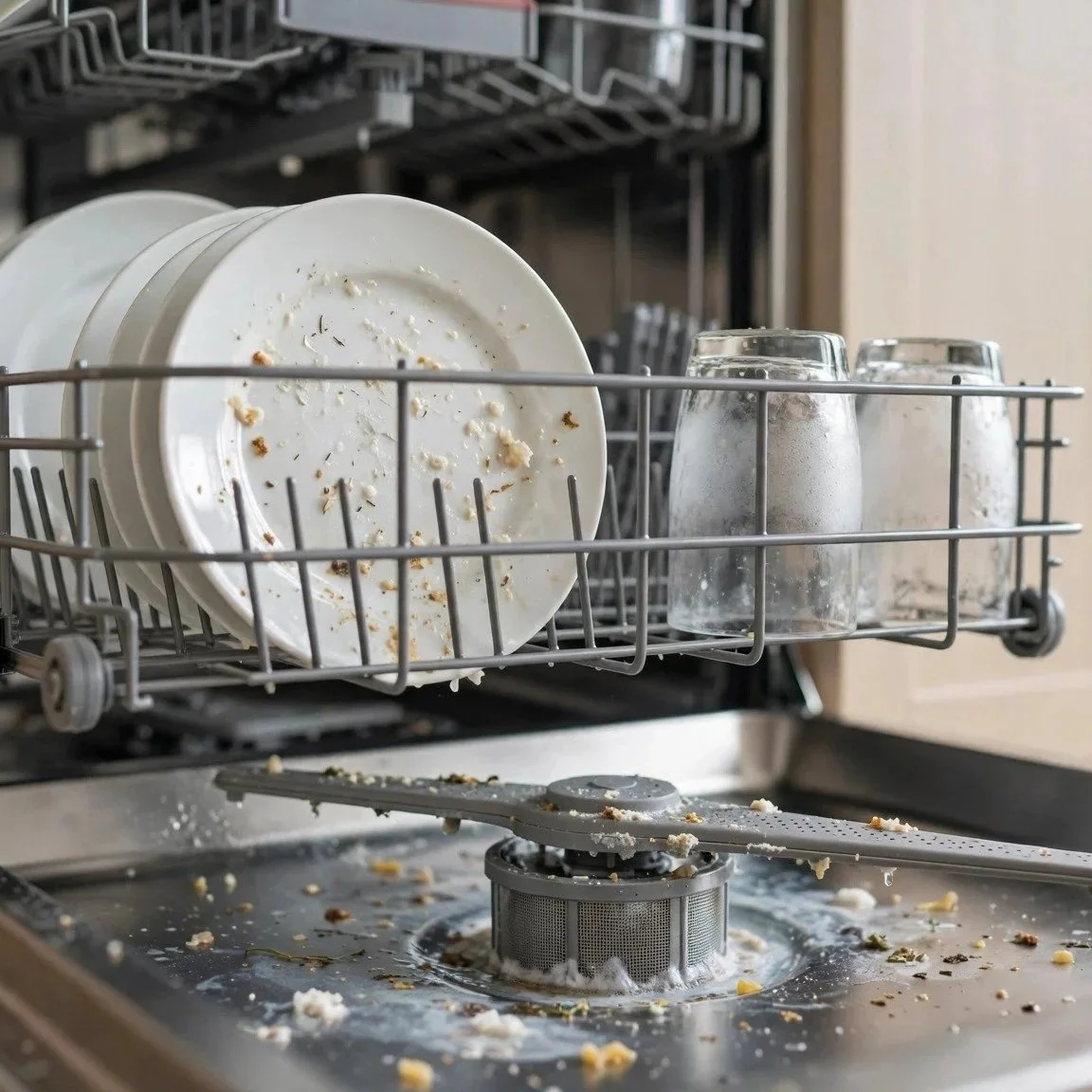
Read MoreA dishwasher that runs a full cycle but leaves dishes dirty is one of the most common complaints in appliance repair, and the good news is that most causes trace back to a handful of simple parts you can inspect in a few minutes.
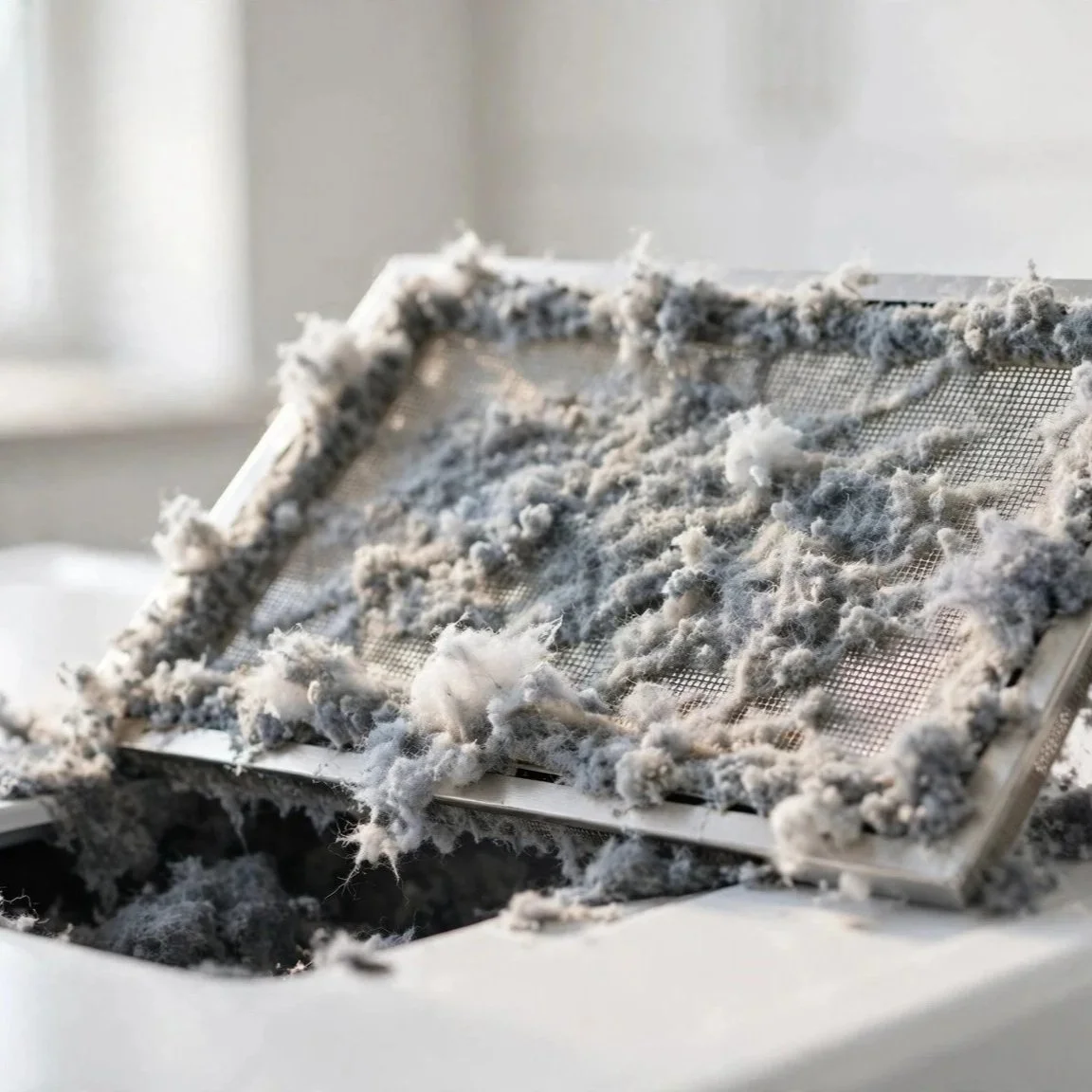
Read MoreA dryer that spins happily but leaves your clothes cold and damp is telling you something specific. The motor and the heat source are two separate systems, and the motor can keep running long after the heat has quit.
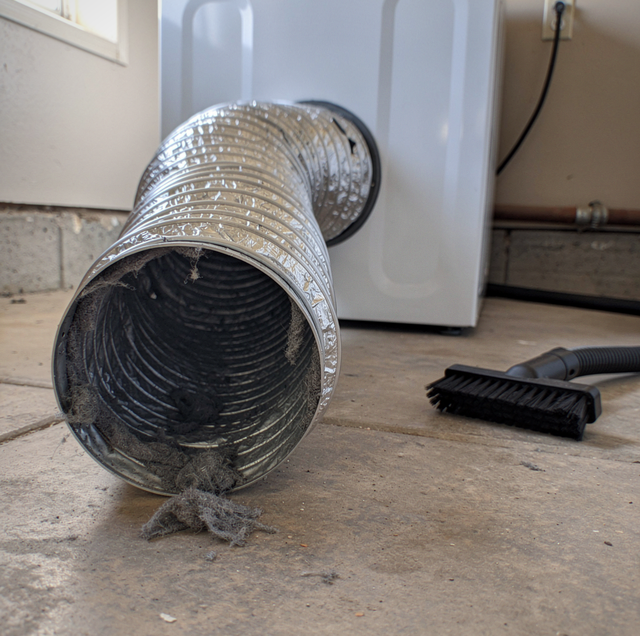
Read MoreHere is the part most people never learn: a dryer does not "cook" clothes dry. It dries them by moving a steady stream of heated air through the tumbling load, letting that air soak up water vapor, and then pushing the now-humid air out of your house through the vent.
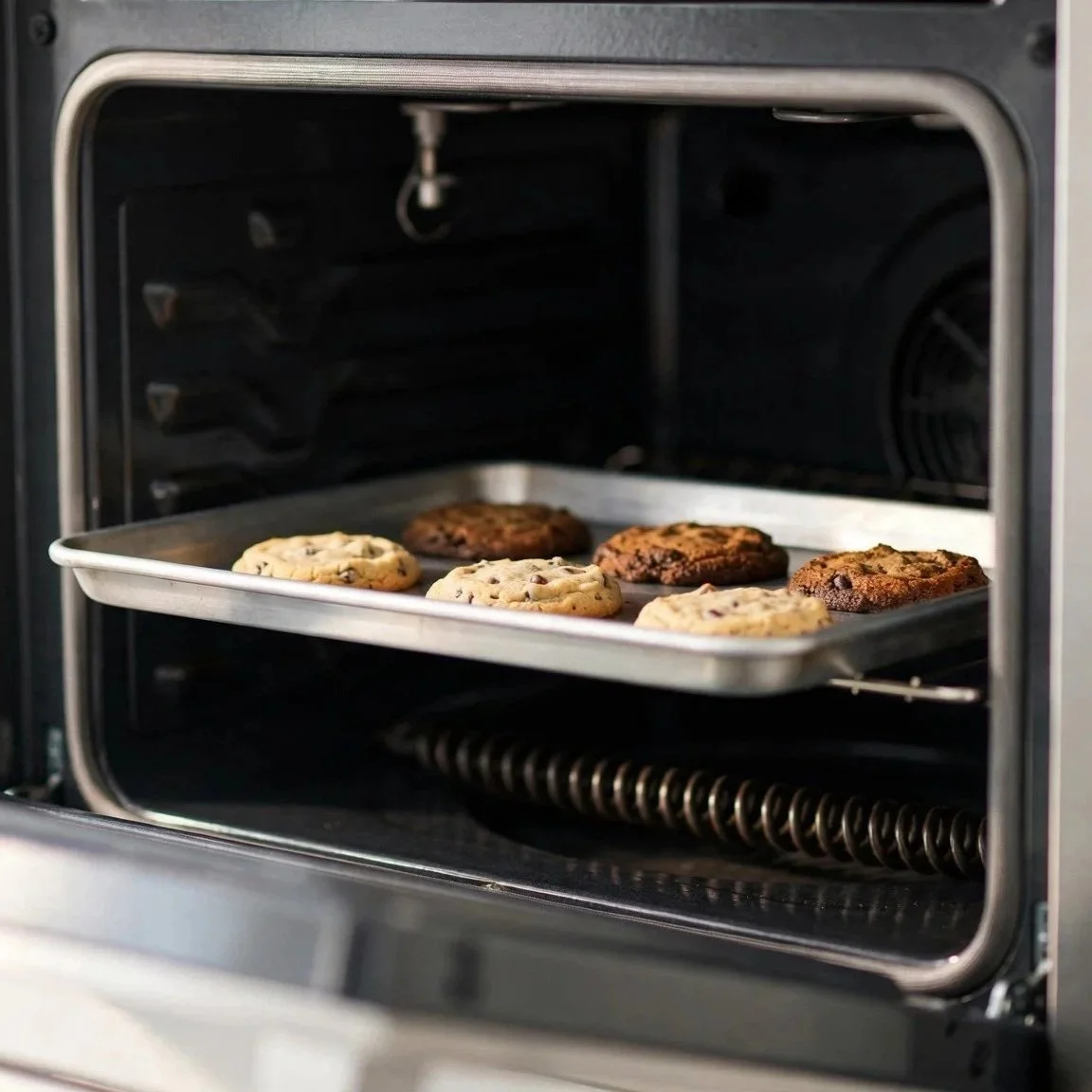
Read MoreUneven baking and an oven that won't reach temperature are two of the most common appliance complaints, and both trace back to the same short list of parts.
Read MoreFinding a puddle under the washer is one of those problems that looks worse than it sometimes is. A cracked drain hose and a failed tub seal both leave water on the floor, but one is a ten-minute fix with a screwdriver, and the other means the machine has to come apart.
Read MoreBy choosing local professionals to care for your appliances, you are investing in more than just a service—you are supporting the economy, reducing waste, and keeping valuable resources within your own community.
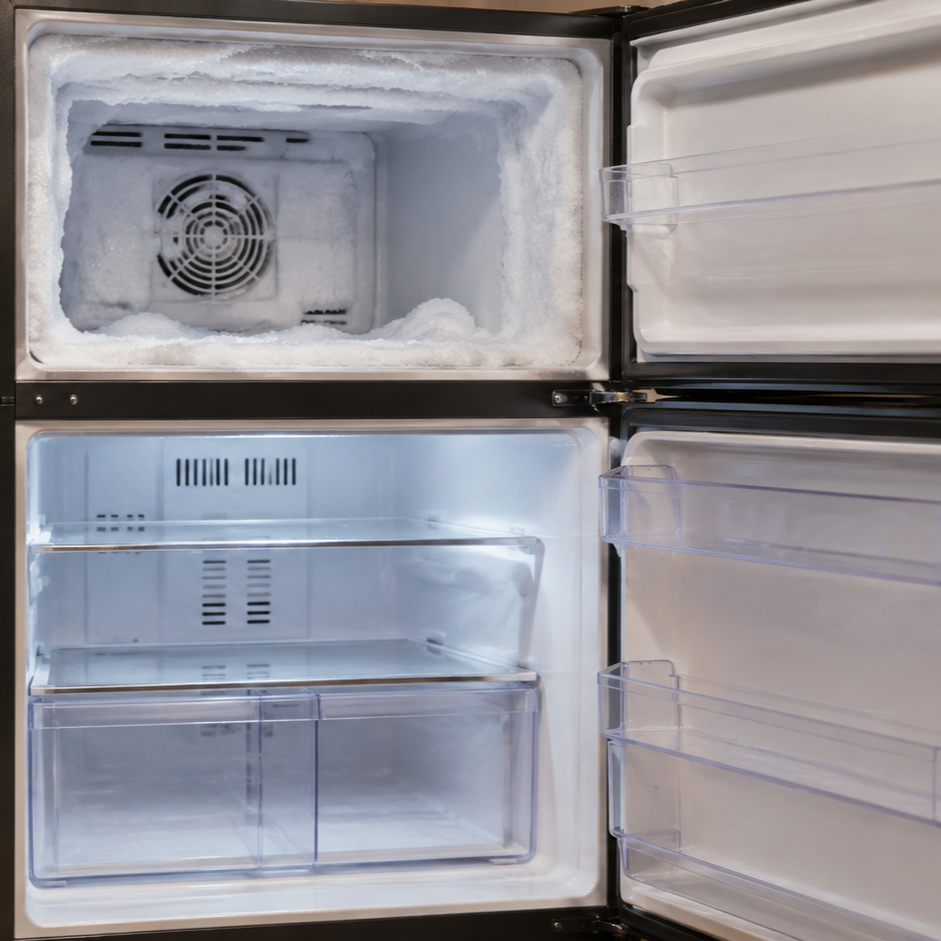
Read MoreEvery time the door opens, a small amount of room air rolls into the freezer. That air carries moisture. When it hits surfaces sitting well below freezing, the moisture condenses into tiny ice crystals.
Read MoreA refrigerator's reliability largely depends on how much is packed into it. Every added feature, the through-door ice and water dispenser, the dual cooling systems, the electronic controls and sensors, is one more thing that can fail.
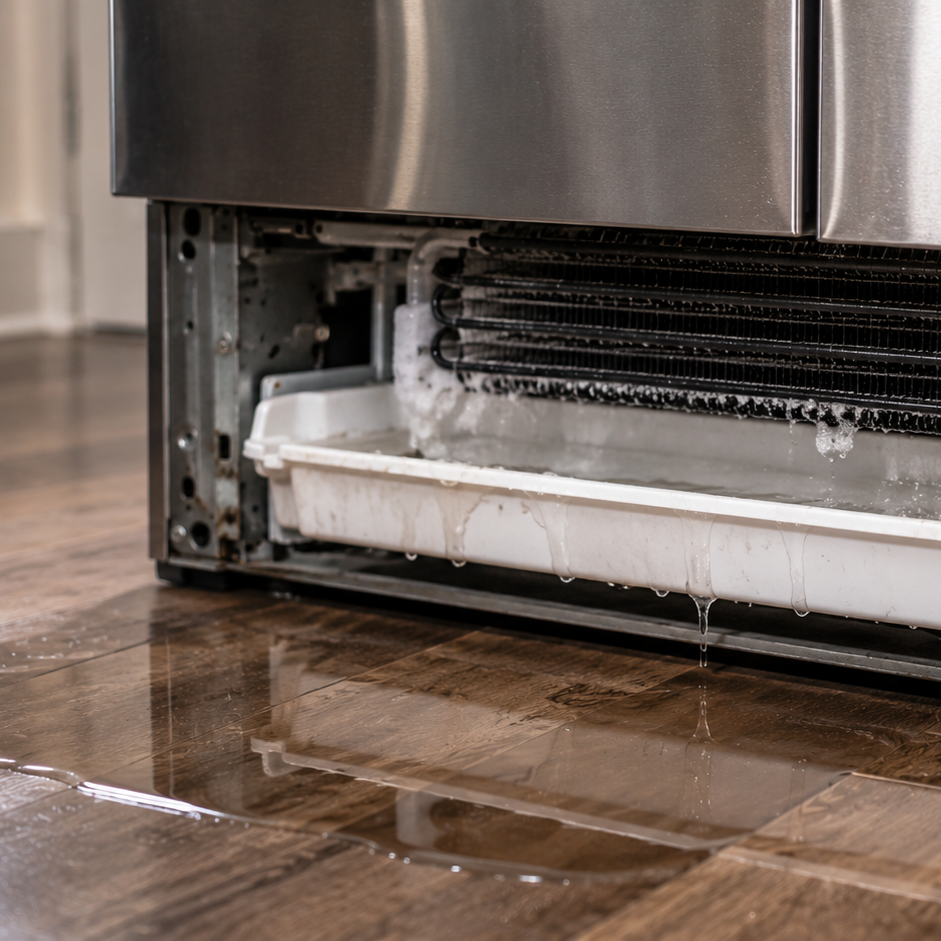
Read MoreFinding a puddle under the refrigerator is one of those problems that feels mysterious until you know the three or four places water comes from. A fridge handles water constantly — melting frost, an ice maker, a dispenser — and a leak means one of those paths has failed.
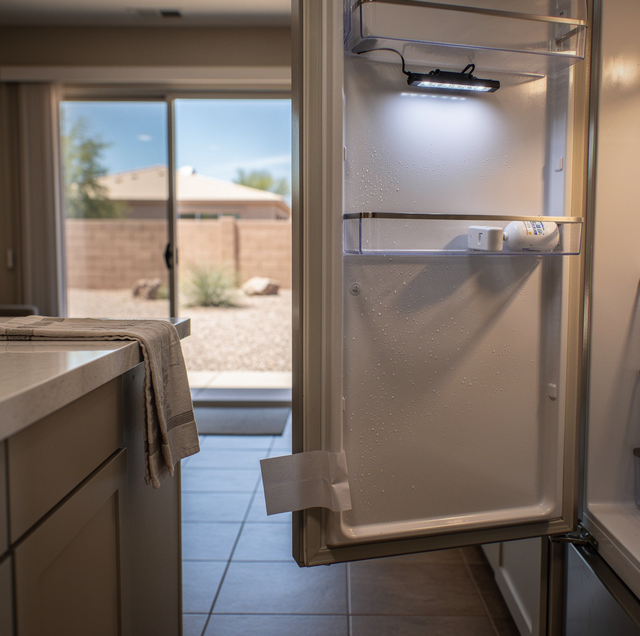
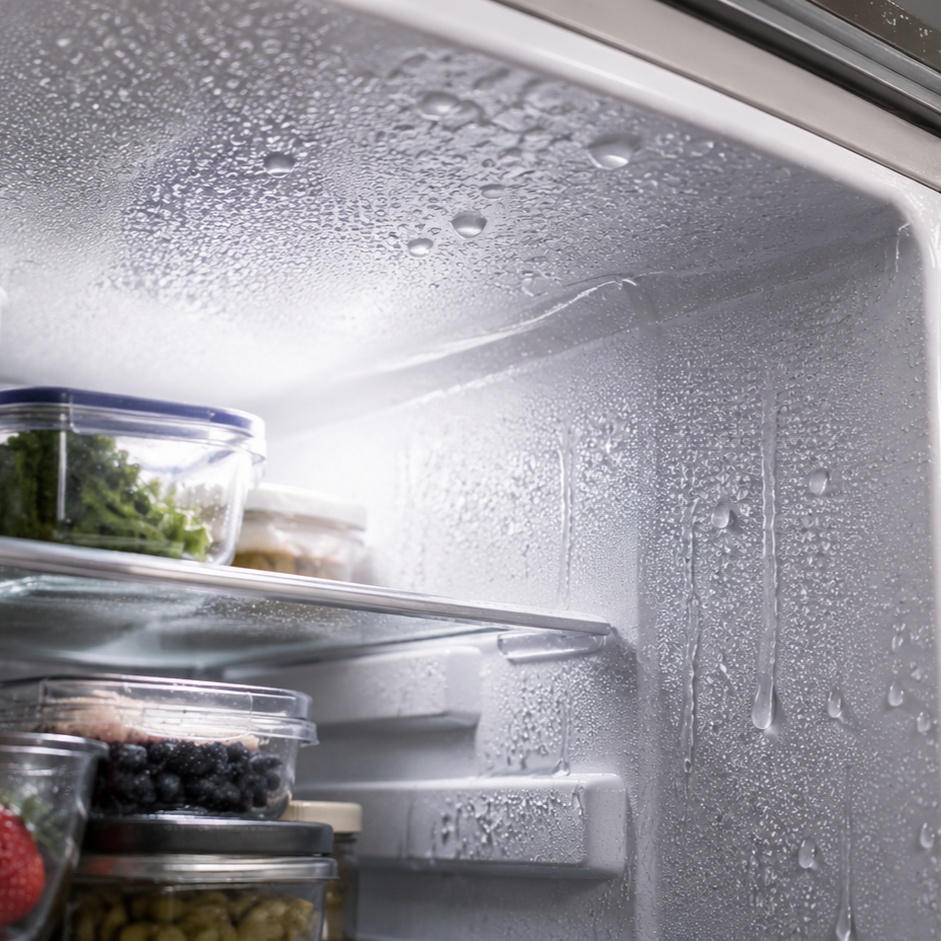
Read MoreA refrigerator keeps its interior cold, while the air in your kitchen is warmer and holds moisture. When warm, humid air enters a cold fridge, the moisture condenses into water droplets on the cold surfaces — the walls, shelves, and food.
Read MoreRefrigerators are never completely silent — they hum, whir, and occasionally click as they run through normal cycles. But when the noise becomes a loud buzzing or a persistent clicking, it can be a sign that something needs attention.
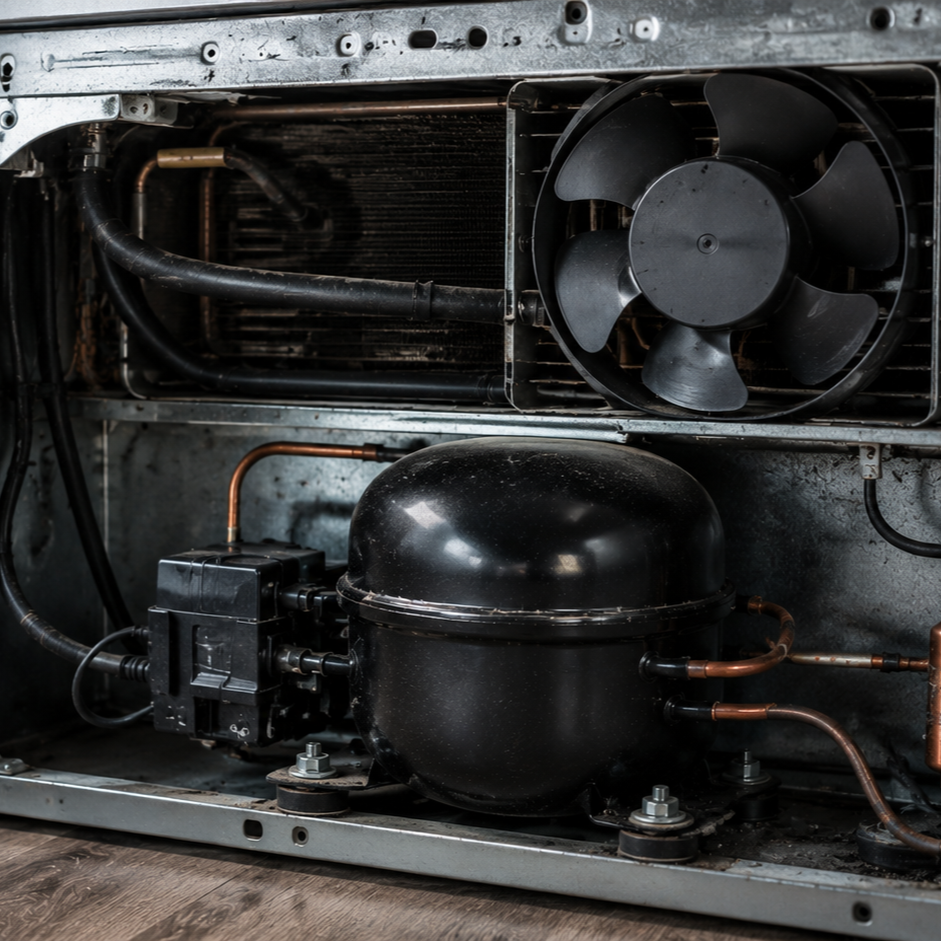
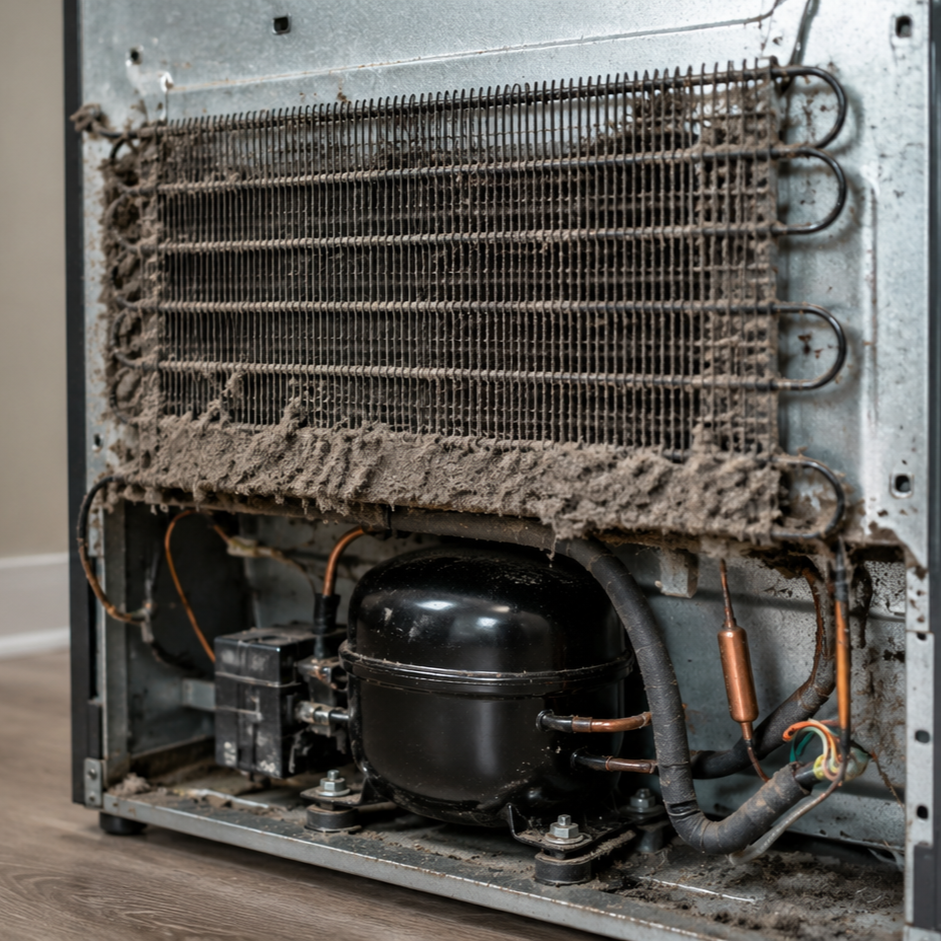
Read MoreOne of the most common causes of constant running is dirty condenser coils. These coils release the heat the refrigerator removes from inside, and they're usually located at the back or underneath the unit.
Read MoreHere's the part most people don't realize: most refrigerators don't cool the fridge and freezer separately. A single set of coils — the evaporator, tucked behind a panel in the freezer — makes all the cold.
Read More