
French Door vs. Side-by-Side Refrigerator: Which Breaks Down Less?
You are standing in the appliance aisle deciding between the sleek French door refrigerator everyone seems to have and the tried-and-true side-by-side, and past the looks and the layout, one question keeps nagging: which one is going to leave you calling a repair technician sooner? A refrigerator is something you lean on every single day for a decade or more, so how often it breaks matters as much as how it looks.
The honest comparison is not that one is good and the other is bad. It is that they carry different amounts of complexity, and complexity is what tends to break.
Complexity Is What Fails
A refrigerator's reliability largely depends on how much is packed into it. Every added feature, the through-door ice and water dispenser, the dual cooling systems, the electronic controls and sensors, is one more thing that can fail. A simpler machine has fewer failure points; a feature-rich one has more. That single idea explains most of the difference in reliability between these two styles, so it helps to look at each through that lens rather than just the door layout.
Side-by-Side: Simpler, Often Fewer Repairs
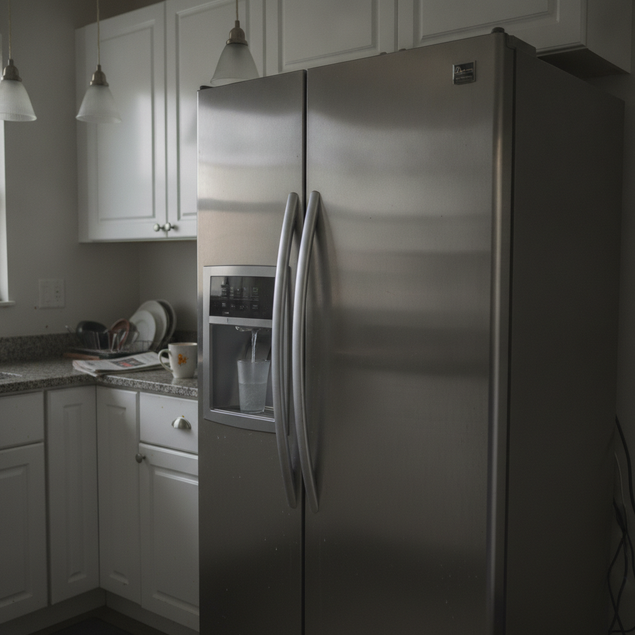
A side-by-side refrigerator splits the cabinet vertically, with the fridge on one side and the freezer on the other, both full-height. Mechanically, these tend to be a little simpler, and side-by-side models often have fewer complex features than the premium French door units, which can translate into fewer things going wrong. The most common trouble spot is the through-door ice and water dispenser, which many side-by-sides have, but the overall design is uncomplicated. If low-maintenance is the priority and the tall, narrow compartments suit you, a side-by-side leans toward the dependable end.
French DOor: More Features, More to Go Wrong
A French door refrigerator puts two doors over a bottom freezer drawer, with wide, shelf-friendly space that many people love. The trade-off is complexity. These are often the most feature-packed refrigerators, with through-door dispensers, more sophisticated electronics, dual evaporators, and premium extras, and all of that adds potential failure points. Repairs can also be more involved because of those complex electronics, sometimes requiring professional service where a simpler unit might not. French door refrigerators are popular and can be excellent, but as a group, the feature-heavy ones tend to need repair a bit more than the simplest designs, largely because there is more built in to fail.
| Side-by-side | French door | |
|---|---|---|
| Complexity | Generally simpler | More features, more electronics |
| Common failure point | Through-door ice/water dispenser | Dispenser, controls, dual cooling |
| Repair difficulty | Often more accessible | Can be more involved |
| Typical lifespan | ~10 - 15 years | ~10 - 15 years |
| Reliability lean | Fewer things to fail | Depends heavily on features and brand |
What Matters More Than the Door Style
Before you decide on layout alone, two things move reliability more than French door versus side-by-side: the brand and model's track record, and how the fridge is cared for. A well-made French door unit from a reliable brand will outlast a poorly made side-by-side, so the specific model's reputation matters more than the category. And upkeep counts: cleaning the condenser coils, not overloading the doors, and keeping the dispenser and seals maintained extends the life of either style. Both types commonly last somewhere in the ten-to-fifteen-year range when they are looked after.
A Quick Word on Ice Makers and Dispensers
Whatever style you choose, the through-door ice and water dispenser is the single feature most likely to need service on either layout. It has moving parts, a water line, and controls, all of which can fail, clog, or leak. If ultimate reliability is the goal, a model without a through-door dispenser eliminates that entire repair category. If you want the convenience, keep the water line and filter maintained, and know that it is the part you are most likely to call about down the road.
Frequently Asked Questions
Count the failure points, and the pattern shows up fast. A basic side-by-side runs a single evaporator, one defrost heater, and one air path feeding both compartments, so there are simply fewer parts in the cold loop to quit. Many premium French door units run a dual-evaporator system, a separate coil, and often a separate fan for the fridge and the freezer, which cools better and holds humidity but doubles those parts and adds a damper and extra control logic that can strand one compartment warm while the other stays cold. Add a bottom-freezer ice maker that pipes cubes up to a through-door chute, and you stack more on top of that. Both layouts commonly reach ten to fifteen years, but the leaner side-by-side gives service techs fewer things to diagnose, which is the real reason it tends to log fewer calls.
The repairs cluster around the parts that French doors add that a plain fridge does not have. The water and ice dispenser runs on inlet solenoid valves that stick or leak, a dispenser actuator switch, and, on many models, a heater that keeps the through-door ice chute from freezing shut, all small parts that see daily use. The dual evaporator setup adds a second fan and an air damper that can seize. The bottom freezer drawer rides on telescoping rails and rollers that wear and start dragging under a loaded drawer, and the ice maker mounted up in a fresh-food door depends on a fill tube that can freeze. None of these are design defects; they are just more moving, water-carrying, motorized pieces than a side-by-side without a dispenser carries, and more pieces mean a higher chance one needs service in a given year.
Ten to fifteen years is typical for either layout, and where a unit lands is driven by a few concrete stressors more than by the door style. The compressor and sealed system usually outlive everything else, so most fridges are retired due to a chain of minor failures. Clogged condenser coils are the big one: dust and pet hair blanket the coils and force the compressor to run hot and long, and that heat is what ages it early, so a coil cleaning a couple of times a year meaningfully extends life. Overloading the door bins strains the hinges and the gasket seal, a gasket that no longer seals, letting in warm, humid air, which makes the unit run more and can ice the evaporator. On dispenser models, a neglected water filter and line invite leaks and clogs. Keep the coils clean, the gasket sealing, and the door bins reasonably loaded, and you push toward the top of that range.
The ice and water system leads the list on any model that has it, and it fails in predictable spots. The water inlet valve is a frequent one: it is an electrically operated valve that opens to fill the ice mold and the dispenser, and it either sticks shut so no water comes or fails to close and drips into the freezer, where the drip freezes into a spreading sheet. The ice maker itself, its mold heater, ejector motor, and fill tube, is the next most-serviced part, prone to freezing up or jamming. Door gasket wear, and a clogged defrost drain that leaves water pooling under the crisper drawers, round out the common calls. The electronic control board can fail too, but far less often than these mechanical, water-handling parts, which is why a unit without a dispenser sheds a whole tier of the most likely repairs.
Yes. Modern refrigerators rely on electronic control boards, and a strong surge from lightning or the grid can damage or destroy them, leading to an expensive repair. Feature-rich models with more electronics have more to lose. A surge protector for the fridge is inexpensive protection against exactly that kind of failure.
Pick the layout for how you live, then buy down the risk within it. Category alone is a weak signal; a well-built French door beats a cheap side-by-side, so the specific model's service record moves the needle most. Once you have a layout, you can trim the failure count directly: choosing a model without a through-door dispenser removes the single most-serviced system on either style, and if you want the dispenser, favor a design where the ice maker sits in the freezer rather than piping ice up through a fresh-food door, since the shorter, colder path clogs less. Then protect whatever you buy, clean the coils, seat the door seals, feed it clean water through a fresh filter, and put it on a surge protector so a control board is not the thing that ends it. The layout is your preference; the model choice and upkeep are where the reliability is actually won.
The Simpler Machine Tends to Last, but the Model Decides
Between French door and side-by-side, the side-by-side's generally simpler design gives it a slight edge in fewer repairs, while the feature-rich French door has more built-in components that can eventually fail. But complexity is only part of the story: the brand and model's reliability record and how well the fridge is maintained matter more than the door style, and both types last about ten to fifteen years with care. Pick a layout you will love, choose a well-regarded model, and protect it from humidity and surges, and it will serve you for years.
Whichever style you own, when the ice maker quits or the control board fails, we can get it running again. Freedom Appliance of Tampa Bay serves Tampa Bay and Riverview. Call (813) 302-7672 to schedule a repair.