The Smart Appliance Revolution and What It Means for Repairs
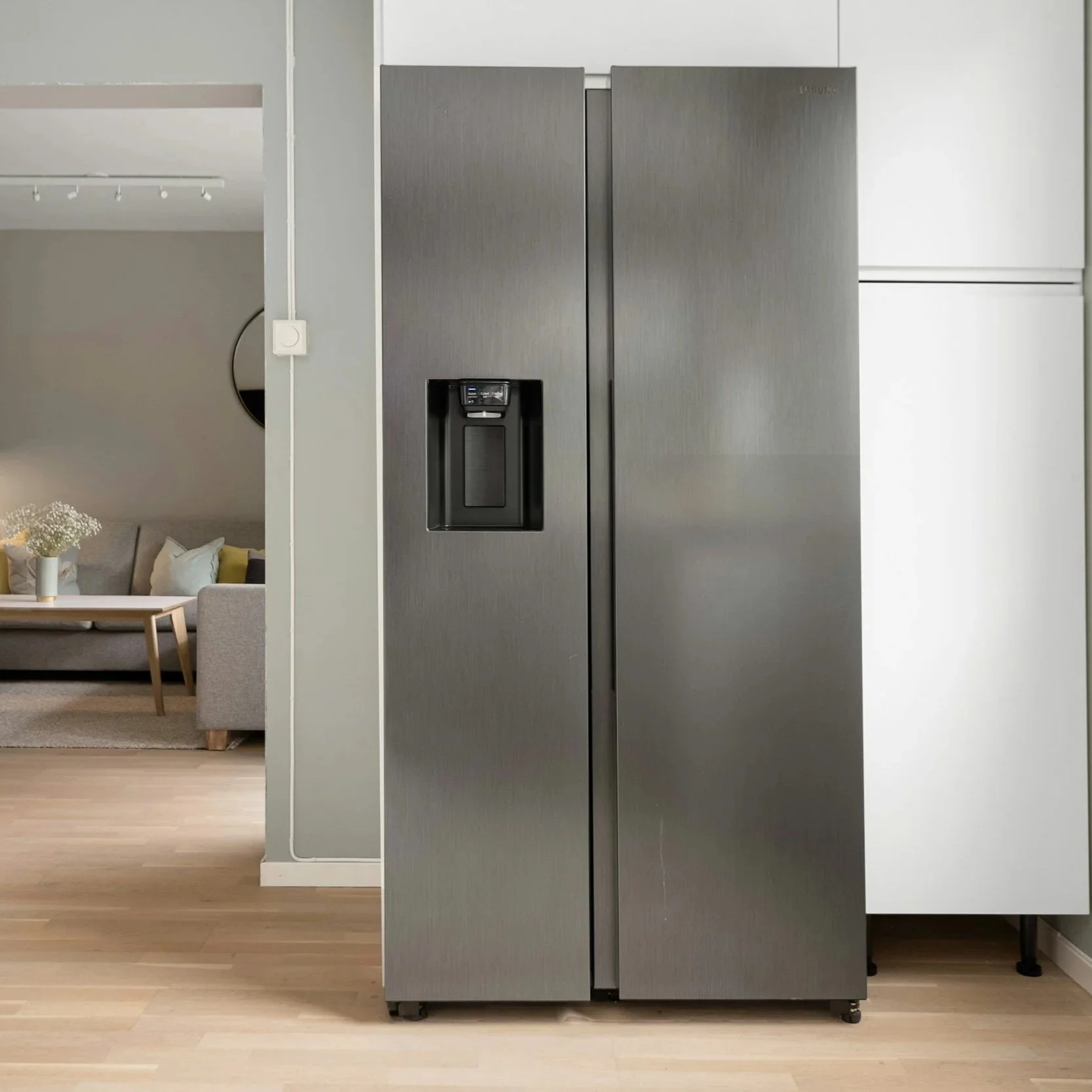
As the world embraces these smart, connected devices, home appliance repairs are transforming.
We live in a time when nearly every appliance in our homes can be connected to the internet. From refrigerators that can tell you when you're low on milk to washing machines that you can start with your voice, smart appliances have become a significant part of modern life. While these gadgets make our lives more convenient, they also come with their own set of challenges, especially when it comes to repairs. As the world embraces these smart, connected devices, home appliance repairs are transforming. Let's take a closer look at how the rise of smart appliances is shaping the future of repairs.
Smart Appliances: What Makes Them Different?
Smart appliances are, at their core, just like traditional ones, except they come equipped with internet connectivity and sensors. They use Wi-Fi, Bluetooth, or other communication technologies to connect with your smartphone or other devices. This means they can provide real-time updates, allow remote control, and even diagnose problems before you notice them. If your refrigerator has a minor issue, your smart fridge might alert you before it turns into a major problem. The ability to track appliance performance and receive notifications is a game-changer in maintaining your home's appliances.
While these advanced features make life easier, they also introduce new complexities when repairs are needed. Gone are the days when a simple call to a repair technician was enough to fix a broken appliance. Now, a technician might need to access an appliance's software, update its firmware, or reset its internet connection. The digital nature of these appliances requires a different level of expertise, which can affect both the speed and cost of repairs.
The Shift in Repair Skills
As appliances become smarter, the skill set required to repair them also evolves. Technicians now need more than just mechanical knowledge. The ability to troubleshoot software glitches, perform firmware updates, and connect to the appliance remotely is crucial. What was once a job for a skilled handyman is now a task that requires a blend of technical and digital expertise.
For example, when a smart oven stops working properly, a technician may need to check both the hardware components and the appliance's connection to its control app. A diagnostic tool can detect issues with the software or app settings, and troubleshooting may involve resetting the device or reconfiguring its Wi-Fi connection. If the problem goes deeper, repairing the internal components may involve ordering new parts or performing a firmware update, all of which require specialized knowledge.
This shift means appliance repair technicians are continually upgrading their skills to keep pace with the latest advancements in smart technology. While some issues remain mechanical, many repairs today require a tech-savvy approach. As smart appliances become more commonplace, technicians are adapting, learning to work seamlessly with both hardware and software.
Remote Diagnostics and Faster Service
One of the biggest benefits of smart appliances is the ability to diagnose problems remotely. Manufacturers and repair services can now connect to your appliance via the internet to perform diagnostics without even needing to visit your home. A smart washing machine may send out a notification about a small issue, and a technician could use the internet to assess and fix the problem without setting foot in your home. This can save both time and money, reducing the need for multiple visits or long wait times for a repair.
In some cases, smart appliances can even order their own parts when necessary. If a dishwasher detects a fault in one of its parts, it might automatically request a replacement part through the manufacturer's app. This level of automation can make repairs quicker and more efficient, but it also requires greater connectivity and technical expertise to manage.
The Impact on Repair Costs
While smart appliances offer convenience, they also tend to come with a higher price tag—not just for purchase, but for repairs. Due to their complexity, fixing these appliances often requires specialized technicians, which can boost labor costs. Additionally, some parts for smart appliances may only be available from the manufacturer, which could increase repair costs. The added convenience of remote diagnostics and automated repairs can help reduce costs. Still, the initial price of both appliances and repairs is often higher than for their non-smart counterparts.
It's also worth noting that, in some cases, older smart appliances may not receive updates or support from the manufacturer. As these devices age, repair options can become more limited, and the cost of parts or technical expertise might rise. This means that while smart appliances are great in the short term, the long-term repair costs should also be considered.
Choosing Between Repair and Replacement
Smart appliances introduce a new dilemma when they break down: should you repair or replace? Given the complexity of these appliances, repair costs can sometimes rival the price of a brand-new model. If your smart fridge is just a few years old and is experiencing a major issue, it might be worth repairing it. However, if your appliance is outdated, no longer receives software updates, or is consistently problematic, replacement might be the more practical solution.
Many homeowners are now weighing the pros and cons of repairing their smart devices versus upgrading to the next generation of appliances. The decision often depends on factors such as the appliance's age, repair costs, and how many years of life it still has. It's always helpful to get a professional opinion on whether repairing a smart appliance is worth the investment.
Staying Ahead with Smart Appliance Maintenance
To keep your smart appliances in top condition, regular maintenance is key. Manufacturers often provide maintenance tips and recommendations through apps or websites, so it's a good idea to follow them to prevent major issues down the road. Many smart appliances also come with built-in reminders for tasks like filter changes, cleaning, and system updates, making it easier to stay on top of them.
In conclusion, the rise of smart appliances has revolutionized the way we interact with home appliances, offering convenience and efficiency like never before. However, it has also transformed the repair industry, demanding new skills, technologies, and considerations for cost and repair options. As these smart devices become more integrated into daily life, keeping them in good working condition may require more than just basic knowledge—it requires understanding both hardware and software. Whether you need a repair or simply want to avoid major issues, staying informed and keeping your appliances well-maintained is essential to making the most of the smart home revolution.
Freedom Appliance of Tampa Bay has nearly two decades of experience providing professional appliance repair solutions to Tampa Bay residents. Whether you need refrigerator and freezer repair, dishwasher repair, or microwave repair, our technicians provide first- class service at reasonable prices. Count on us for honest and reliable solutions that last. Book an appointment today!