How to Keep a Washing Machine from Smelling Like a Swamp
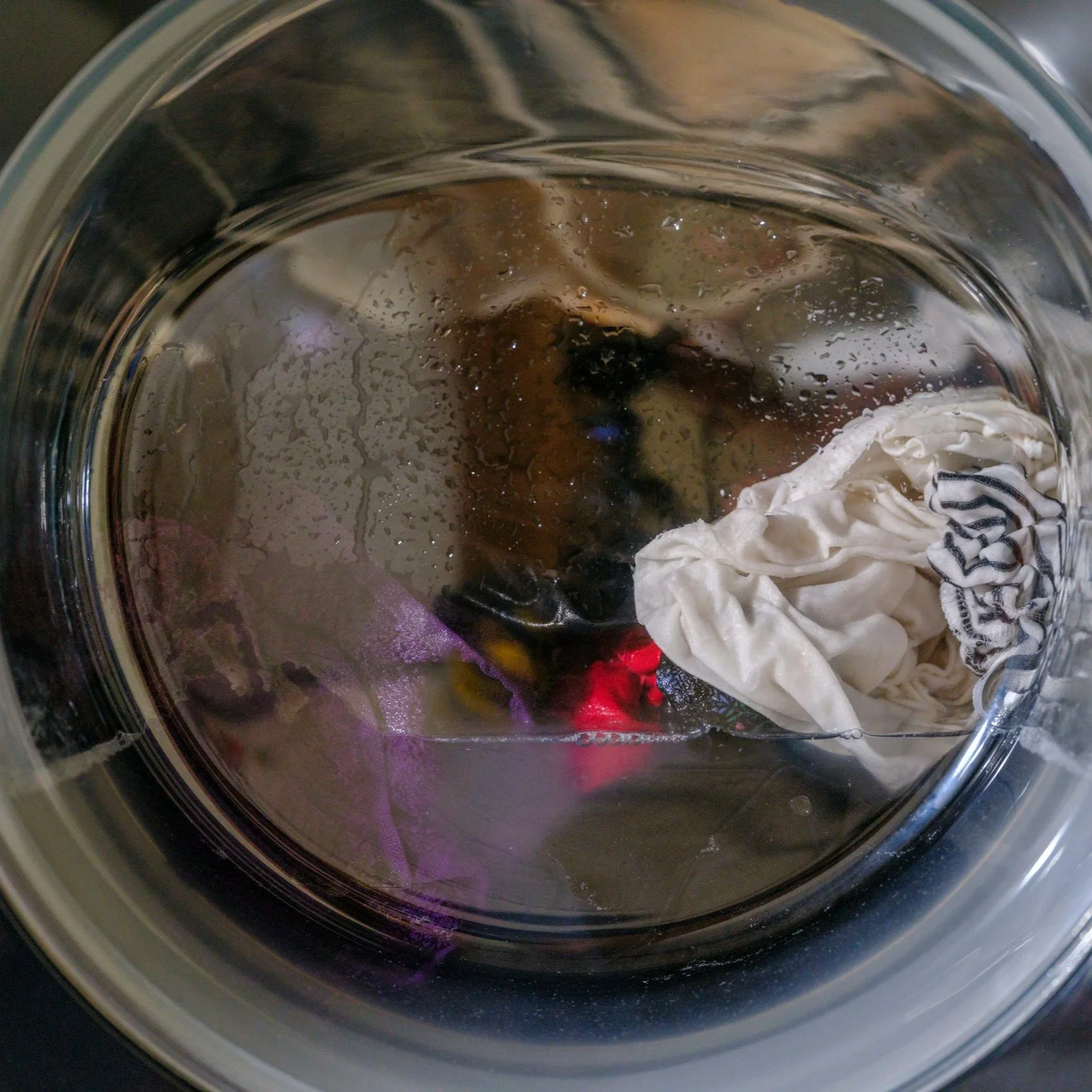
A washing machine that smells like something died in it isn't just unpleasant—it can also make clothes feel less fresh than they should.
There's nothing worse than opening the door to your washing machine and getting hit with a smell that can only be described as swampy. It's one of those things that creeps up on you, turning your laundry routine into a battle with a machine that's supposed to make life easier. A washing machine that smells like something died in it isn't just unpleasant—it can also make clothes feel less fresh than they should. So how do you fix the problem and keep your washing machine smelling like a fresh breeze rather than a stagnant pond?
Why Does Your Washing Machine Smell?
Before diving into solutions, it's important to understand why your washing machine might have developed that funky odor. The problem usually stems from mold and mildew growth, which thrive in warm, damp environments—exactly what your washing machine provides. When detergent, fabric softener, dirt, and oils build up over time, they create a breeding ground for bacteria. These bacteria produce the unpleasant smells you notice whenever you open the door.
Top-loaders, with their sealed lids, are especially prone to trapping moisture, creating ideal conditions for mold and mildew to thrive. Front-load washers also retain water in the door seals and rubber gaskets, leading to the same problem. No matter the type of machine you have, there's one universal truth: moisture + detergent residue = stinky washing machine.
Preventing the Smell: Simple Steps for Smelly Machine Relief
First, give your machine a deep clean to remove any existing build-up. Start by running a hot cycle with no clothes inside, using either washing machine cleaner or a homemade vinegar-and-baking-soda solution. Vinegar works wonders at cutting through residue, while baking soda helps neutralize odors. If your machine allows it, run an extra rinse cycle after the hot wash to confirm that all cleaning solution is flushed out.
Once the smell is gone, regular maintenance becomes key. After each load, leave the washing machine door slightly ajar to allow air to circulate and dry out any remaining moisture. It may seem like a small step, but it makes a big difference in preventing mold and mildew from forming in the first place. In addition to leaving the door open, wipe down the rubber gaskets and the drum after each use to remove any excess moisture or detergent build-up.
Another great trick is to clean the detergent drawer. Soap residue can build up here and cause odors over time, so it's important to pull it out and give it a thorough clean every so often. If you have a front-loader, also check the rubber seal around the door. Wipe it down regularly to prevent trapped water from lingering and causing problems.
Using the Right Detergent Matters
Sometimes, the problem starts with the detergent you're using. Harsh, over-sudsing detergents are a common culprit in detergent build-up inside your washing machine. While more suds might feel like they're doing a better job, they can actually leave a residue behind that leads to smelly mold and mildew growth.
Opt for high-efficiency (HE) detergents, which are designed to work with modern machines and produce fewer suds. These detergents are less likely to leave behind residues that can cause odors. Additionally, use the correct amount of detergent for each load, as too much can create excess suds that linger long after the cycle is complete.
Keep the Washer Dry Between Loads
Another easy fix is to simply dry your washer between loads. If you tend to do multiple loads in a row, it's easy to forget about the lingering moisture that sticks to the inside of the drum. However, wiping down the interior of your washing machine between loads helps eliminate the dampness that mildew loves. A quick pass with a towel or rag will do the trick.
If your machine has a self-cleaning function, use it frequently to keep the washer smelling fresh. If not, run a hot cycle with a cleaning agent (such as vinegar) once a month to keep mold and mildew at bay. You'll appreciate the fresh smell it leaves behind.
When It's Time to Call in the Pros
While most washing machine smells can be addressed through regular cleaning and maintenance, there are instances where a deeper issue may be at play. If your washer has persistent odors that won't go away, it could indicate a plumbing or drainage issue, or even a mechanical malfunction. In such cases, it's time to call in a professional for home appliance repair. A technician can inspect your washing machine for any issues that might be causing the smell, such as a clogged drain hose or a water pump issue, and fix the problem at its source.
Prevention Is Key
A washing machine that smells like a swamp isn't inevitable. With just a few simple steps—regularly cleaning the machine, wiping it down between loads, using the right detergent, and leaving the door open—you can avoid the unpleasant odors that make laundry day feel like a nightmare. Taking these steps will extend your washing machine's life and keep it running smoothly for years to come.
If you're dealing with a washer that just can't shake that funky smell, don't wait until it gets worse. A professional repair technician can help get your machine back to its clean, fresh state. Investing in repairs and maintenance is always a better option than replacing your washer prematurely, guaranteeing your laundry routine stays hassle-free and enjoyable.
A washing machine that smells like a swamp is a problem that can be avoided or solved. With regular attention and the right habits, you'll keep your washer fresh, clean, and smelling like it should. Say goodbye to the swampy smell and hello to fresh, clean laundry every time.
Get professional oven, stove, and range repair, washing machine and dryer repair, and other small appliances repair in Tampa Bay with Freedom Appliance of Tampa Bay. As a veteran-owned and operated experienced appliance repair service, we also help customers avoid any future issues with their appliances. Trust us for the smooth functioning of your kitchen and laundry appliances. Call now!