Common Appliance Myths That Have No Business Being Believed
Here are some common appliance myths that have no business being believed and why they could be leading you astray.
Appliances have become the unsung heroes of our daily lives, silently helping us cook meals, clean clothes, and preserve our food. But amid the convenience they offer, myths and misconceptions about how they should be used or maintained tend to run rampant. While these beliefs may sound logical at first, they're far from the truth. Here are some common appliance myths that have no business being believed and why they could be leading you astray.
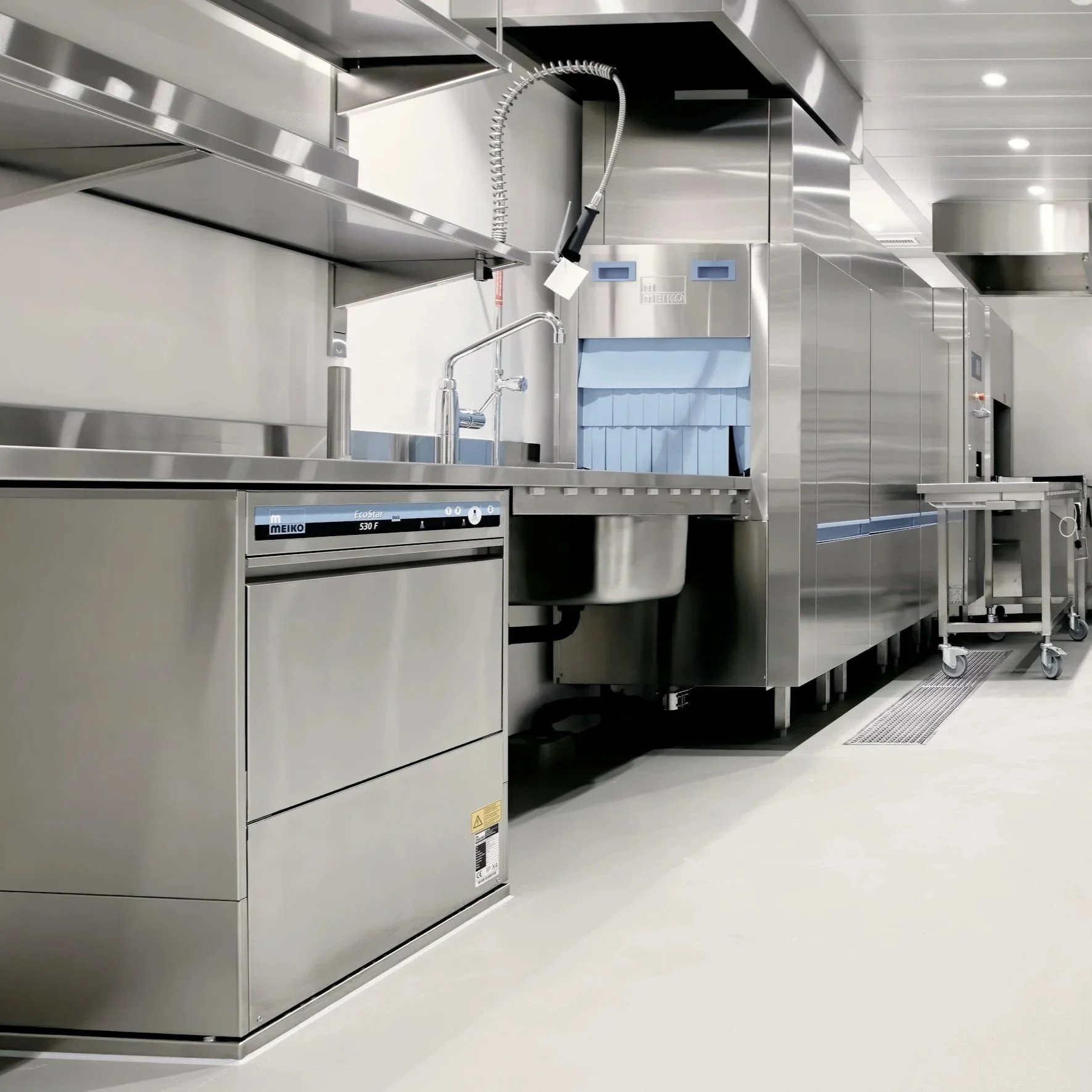
Myth One: You Should Always Run Your Dishwasher on the Highest Setting
The idea that using your dishwasher on the highest setting guarantees a better clean has been passed around for years. Many assume that hot water and extra energy are the magic ingredients for spotless dishes. However, running your dishwasher on the highest setting every time isn't necessary. In fact, most modern dishwashers are designed to perform well at lower settings and temperatures, especially when paired with the right detergent. Running the dishwasher on a high setting constantly could result in wasted energy, higher utility bills, and unnecessary wear on your appliance. Using a lower setting for regular loads will suffice for most dishwashing tasks, while still getting dishes sparkling clean.
Myth Two: You Should Wait Until Your Washing Machine is Full Before Running It
Many people believe that filling the washing machine to the brim before running a load maximizes its efficiency. While it seems like common sense—more clothes, fewer loads—overstuffing the machine can actually have the opposite effect. The washing machine needs space to properly agitate the clothes. If you cram it full, the clothes won't move around enough to get thoroughly cleaned, and you might even end up with clothes that are still soapy or wet. Additionally, overloading puts unnecessary strain on the machine, potentially leading to premature wear and tear. For the best wash, aim to load the washer about three-quarters full, allowing it to work as designed.
Myth Three: You Should Use a Refrigerator's Ice Maker for a Continuous Supply of Ice
Refrigerators with built-in ice makers are incredibly convenient, especially for people who use ice frequently. However, many believe that if the ice maker stops producing ice, it must be broken, and they keep using it nonstop to maintain a constant supply. Ice makers require proper maintenance, including regular cleaning, to function efficiently. When you overload the ice bin or fail to clean the unit, it can lead to clogs, freezing issues, and, eventually, an ice shortage. For continuous production, it's important to give the ice maker a break and monitor its cleaning needs. Keeping the bin free of excess ice and debris helps the machine function properly and avoids problems down the road.
Myth Four: Using the Self-Cleaning Oven Function Eliminates the Need for Regular Cleaning
The self-cleaning feature on ovens is an incredible invention that makes it easier to remove grease and food residue. But relying entirely on the self-cleaning option is a mistake. While it does a decent job at burning off grime at high temperatures, it doesn't eliminate all dirt and debris from the oven. For a more thorough cleaning, it's best to wipe down the oven's surfaces manually. Regular cleanings prevent the buildup of food and grease, helping your oven perform at its best. Plus, it avoids the lingering burnt smell from the self-cleaning process, which is often a side effect of infrequent oven cleaning.
Myth Five: You Should Let Your Dryer Run Longer to Dry Clothes Faster
When clothes are still damp after a dryer cycle, it's tempting to hit the button again and run the dryer for a little longer. The idea is simple: more drying time equals drier clothes. However, this isn't necessarily the case. Running the dryer longer can sometimes cause more harm than good. If your clothes aren't drying quickly, it could indicate an issue with the vent or the appliance itself, like a clogged lint trap or a malfunctioning heating element. In fact, over-drying clothes can cause fabrics to wear out faster and waste energy. Proper maintenance, including cleaning vents and filters, can improve drying efficiency, reducing the need for additional cycles.
Myth Six: You Don't Need to Clean Your Dryer Vent Regularly
Here's one especially dangerous myth. Many people think that cleaning their dryer vent is an occasional task that doesn't need to be done often. In reality, neglecting this simple chore can lead to lint buildup, reducing airflow, and increasing the risk of a fire. Dryer vents should be cleaned at least once a year, or more frequently if you use your dryer often. Clogged vents can also make dryers work harder, resulting in longer drying times and higher utility bills. Professional dryer vent cleaning is always a good option to ensure that the vent is clear and functioning optimally, preventing a potential disaster.
Myth Seven: Stainless Steel Appliances Are Indestructible
Stainless steel appliances have earned a reputation for their durability and sleek appearance. While they are indeed more resistant to stains and corrosion compared to other materials, they're not impervious to damage. Scratches, fingerprints, and smudges can still appear on stainless steel surfaces, especially if they're not cleaned properly. Cleaning with abrasive materials can cause lasting damage, leaving unsightly marks that are difficult to remove. To preserve the finish, use non-abrasive cleaners and soft cloths designed for stainless steel. Regular care keeps appliances looking their best while maintaining their durability.
Myth Eight: Refrigerators Should Be Kept at the Coldest Setting
Many people assume that turning the temperature dial on their fridge all the way down to the coldest setting is the best way to keep food fresh. In reality, this can cause your appliance to work harder than necessary, leading to higher energy consumption and potentially freezing some foods. The ideal temperature for your refrigerator is typically between 37°F and 40°F. Keeping it at this range will maintain food quality while keeping your energy usage in check. Freezing certain items in the fridge can result in spoiled vegetables or an ice-covered freezer.
Breaking the Myths for Better Appliance Care
Misconceptions about home appliances can result in wasted time, money, and energy. Understanding the truth behind these common myths helps prevent unnecessary stress and costly repairs. Whether it's your dishwasher, dryer, or refrigerator, taking a little time to learn the best practices can help your appliances last longer and run more efficiently. When in doubt, turning to experts for advice or assistance can always clear up confusion and give you peace of mind.
Get professional oven, stove, and range repair, washing machine and dryer repair, and other small appliances repair, in Tampa Bay with Freedom Appliance of Tampa Bay. As a veteran-owned and operated experienced appliance repair service, we also help customers avoid any future issues with their appliances. Trust us for the smooth functioning of your kitchen and laundry appliances. Call now!